
Posted September 19, 2022
Tonight the presentation will mention the jaguar hide and feather headdress found in Tikal Burial 196, so includes ethnozoology (obviously the feathers were just dust imprint but segments of leather of the jaguar were still preserved, and the claws).
For botany mentions cacao or other beans found inside one of the ceramic vases. Plus the wood used to roof the tomb (yes, the ceiling was wooden poles rather than vault capstone). We show the entire sequence of construction of this 8th century royal tomb chamber.
The main part of the presentation will be the architecture of the Str. 5D-73 pyramid: identical in every aspect to the pyramid of Temple I except smaller (Hellmuth also excavated the northeast corner of Temple I the month before excavating the entire pyramid of Str. 5D-73).
Discussion of the offerings in the burial (more ceramics than any tomb of Tikal or Uaxactun) documents that some of the pots were decorated, literally, by children or if adults, individuals who were not artists whatsoever. We also show the same for offerings in the tomb under Temple I (excavated by Trik several years earlier). Just as the pyramids were identical, many offerings in Tikal Bu. 116 (Temple I) and Tikal Bu. 196 (Str. 5D-73) were identical.
So lots to see, lots to learn about Classic Maya civilization, Sept. 19, 8pm EST, which is 6 pm in Guatemala.
Posted August 2, 2022
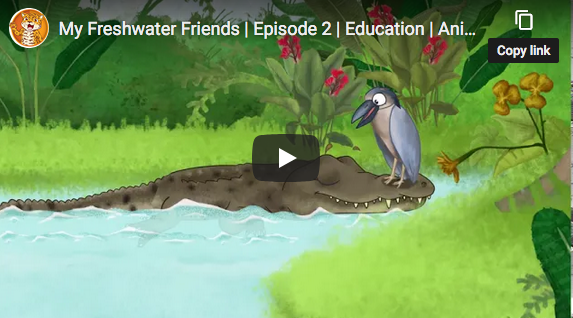
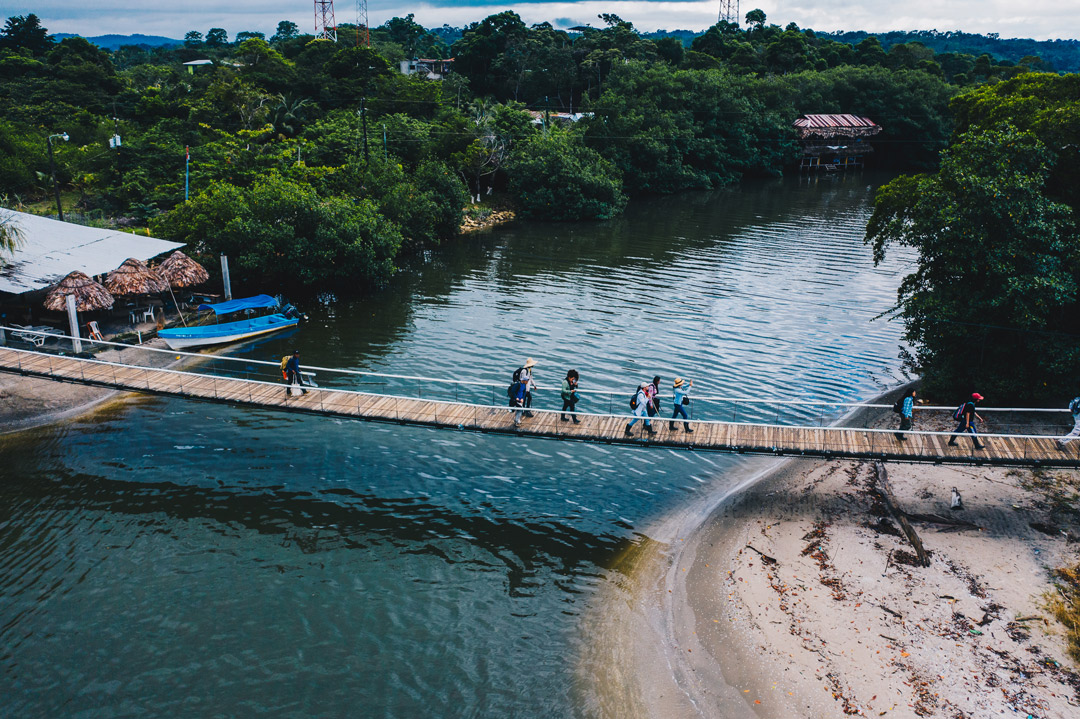
FLAAR Mesoamerica team, prepared a wide workshop about the Municipio de Livingston, which is a great place to immerse in a tropical paradise. The main goal is to introduce students, researchers, and travelers to the Flora, Fauna, and biodiversity of the Caribbean. We have made eight presentations that includes videos and a wide variety of photos to get to know Livingston, and its rich nature.
|
Here is the video of the first presentation that was held in June 8, 2022. It was presented by |
Posted May 23, 2022
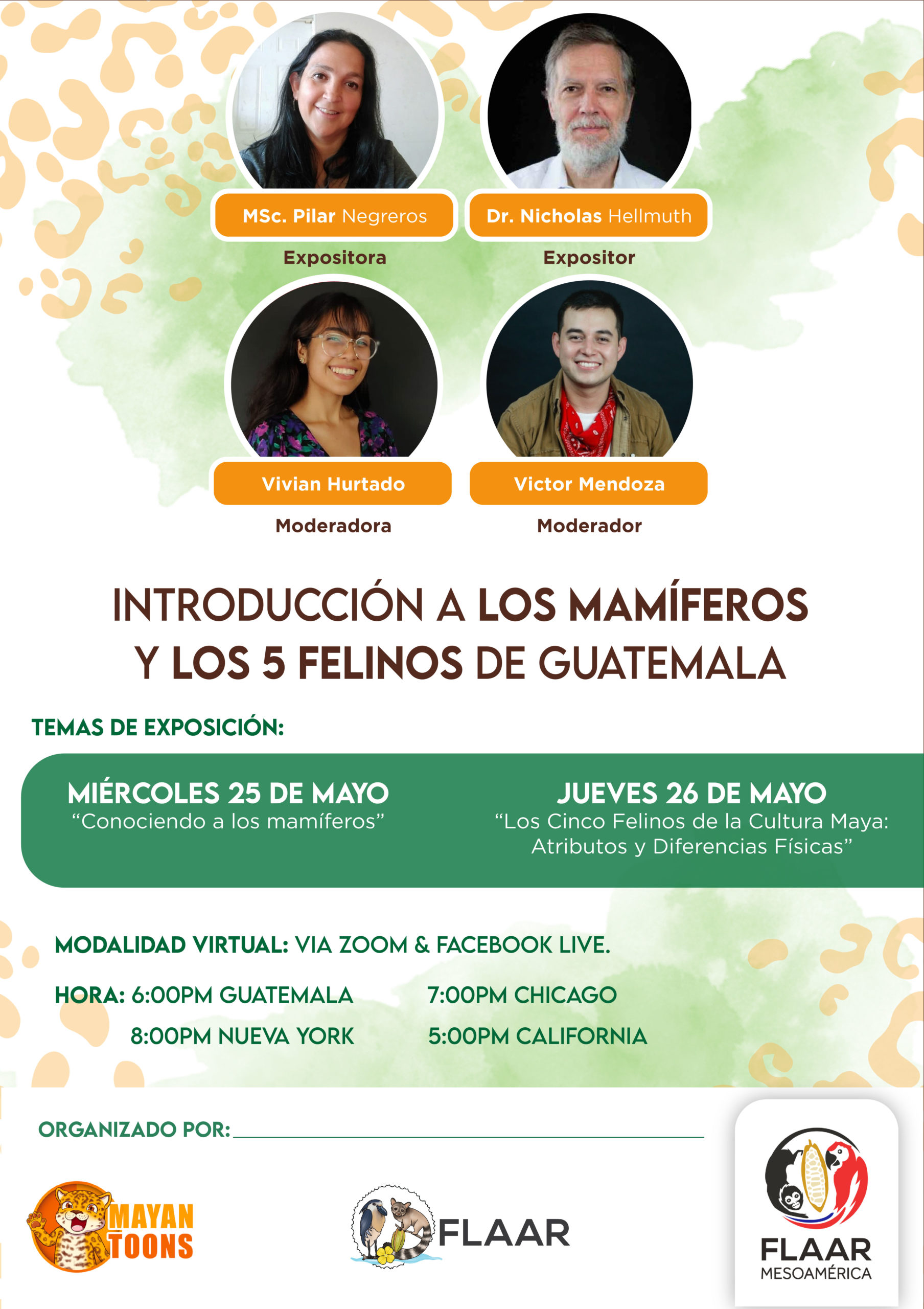
Do you want to know more about the mammals and the five felines of Guatemala? These conferences are what you were looking for.
We are waiting for you on Wednesday, May 25th and Thursday, May 26th via Facebook Live or ZOOM at 6:00 pm (Guatemala Time). *CONFERENCE FOR ALL PUBLIC.
Presenters:
MSc. Pilar Negreros - Knowing the Mammals Dr. Nicholas Hellmuth - The five felines of the Mayan Culture: Attributes and physical differences.
Moderators:
- Vivian Hurtado
- Victor Mendoza
- Organized by: FLAAR Mesoamerica, MayanToons and FLAAR USA
Posted April 20, 2022, by Nicholas Hellmuth
Video of Nicholas Hellmuth discussing a previously never-before-studied biodiverse fragile ecosystem in a remote area deep in the rain forests of the Maya Lowlands of Guatemala.
Tasistal-Savanna #30 is a savanna of about half a million tasiste palm trees, Acoelorrhaphe wrightii, in clusters forming a solid mass of palms the extent of several football fields. This is one of 35 savannas in the far southeast part of Parque Nacional Laguna del Tigre (Jaguar Lagoon National Park) of the Reserva de la Biosfera Maya (RBM). The RBM is the entire northern half of the departamento de Peten, Guatemala. FLAAR has a project of coordination and cooperation with CONAP for the RBM area.
These seasonally inundated tasistal savannas are surrounded by seasonally inundated bajo forest swamps (that we hike through in the dry season to explore the savannas).
FLAAR aerial video allows you to see from the air a part of the Maya Lowlands of Peten literally never before seen on video: Tasistal-Savannas #22, open grassland Savanna #25 and surrounding bajo forests.
How in the world were each different kind of savannas used for thousands of years by the Classic Maya. First step is to find, then explore, then document these remarkable tasistal palm areas and also the open grassland savannas.
Whatever concept you have for “the Mayan areas” will be changed when you see kilometer after kilometer in good resolution from the FLAAR drone, DJI Mavic 2 Pro, with experienced drone pilot Haniel Lopez doing the video photography.
For a quick look at never-before-studied tasistal savanna of Parque Nacional Laguna de Tigre (PNLT) of the Reserva de la Biosfera Maya (RBM), Peten, Guatemala, this video is a quick view from FLAAR (USA) and FLAAR Mesoamerica (Guatemala).
When you see this video you too will ask “how did the Classic Maya utilize these biodiverse open grassland savanna habitats? Every month we dedicate a week to driving 1000 km round trip to a base camp in the rain forest, and from the base camp we hike for many kilometers to reach a savanna in the Maya Lowlands that has never ever previously been shown on video (for sure not with a licensed drone).
Our project of Aug-2018-July 2019 (for Parque Nacional Yaxha, Nakum and Naranjo) and now our 5-year research project 2021-2025 with CONAP are to find, photograph, research, document, and publish Neotropical flora, fauna and ecosystems of the Reserva de la Biosfera Maya (RBM) of Peten, Guatemala. Lots of national parks and biotopos are within the 5-million acres of the RBM.
If you prefer FLAAR reports in pdf format on these savannas, here is the link.
Posted March 16, 2022
We are pleased to share with you our invitation to deliver the results of our project: "Livingston Biodiversity Documentation" where you can learn a little more about the project and the achievements obtained by our team.
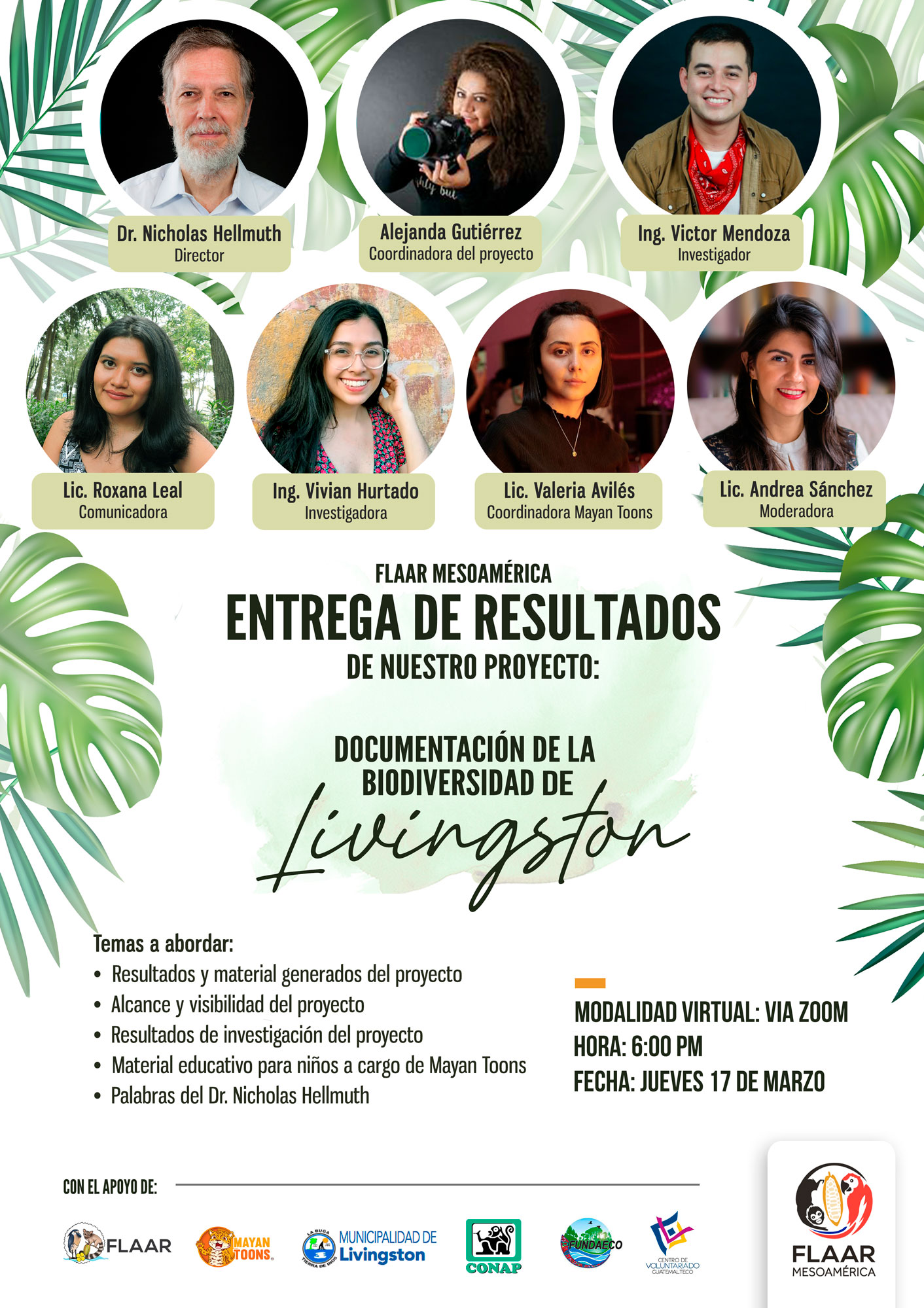
This presentation will be in Spanish starting 6 PM on Thursday, 17 March.
Posted October 8, 2021
Parque Nacional Yaxha, Nakum and Naranjo (PNYNN) is best known for the nicely protected monumental Classic Maya architecture of Yaxha, Nakum, Naranjo and Topoxte Island. This national park is also known for the sun setting over Lake Yaxha.
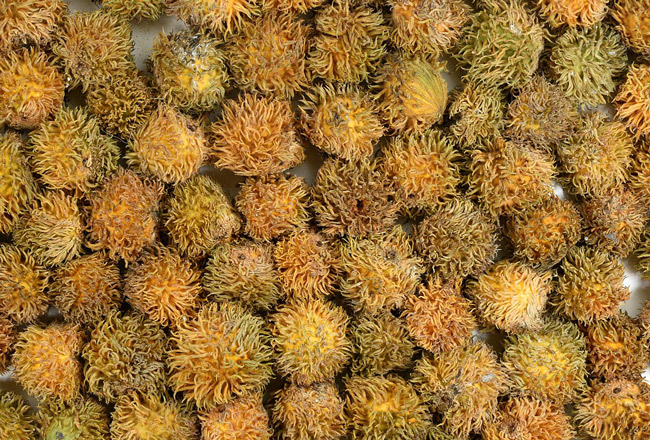
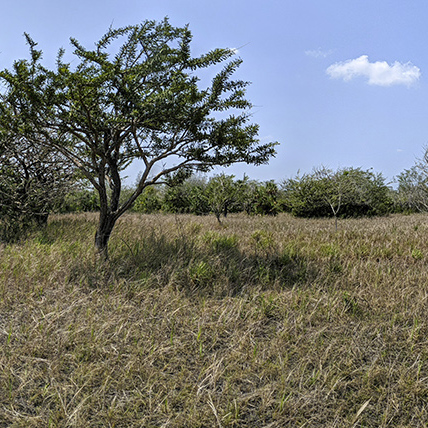
Our focus in the August 2018-July 2019 project in PNYNN was flora, fauna, and interesting ecosystems that had not often been published: pital areas (hundreds of Aechmea magdalenae terrestrial bromeliads surrounding a natural aguada); cibal areas (sawgrass savannas); and traditional open grassland savannas with their iconic tasiste palms, nance fruit trees, and jicara calabash trees.
Based on the results of that project we were asked to return to undertake a 5-year project of cooperation and coordination with CONAP for PNYNN and adjacent areas plus the rest of the Reserva de la Biosfera Maya (RBM). We are now in our 9th month of this new research project. Our focus is on wetlands since we have learned a lot about swamps, marshes, riverside and lakeside habitats from our separate 15-month flora-fauna-ecosystems research project in the Municipio de Livingston (east part of Izabal).
I am especially interested in studying savannas since they are well studied in adjacent Belize. But other than the pine savannas of Poptun karst area of southern Peten and the karst savannas of La Libertad area of Peten (all south, outside the RBM), the savannas of PNYNN within the RBM have not previously been published. The Savanna East of Nakum was known but not published with photographs; the savanna to the west of Naranjo has been studied but its flora and fauna were not yet published. Our goal in 2021 is to accomplish improved digital photographic documentation starting with the Savanna of 3 Fern Species. This is so remote that it has not previously been published (that we know of).
One reason these savannas are not previously studied is because there is no base camp adjacent to them. To reach them is comparable to an Olympic long distance trek. We overcome the difficulties of climbing steep hills and sliding down the other side with inspiration, dedication, combined with initiative. This facilitates hiking up to 18 kilometers in a single day (about 10 miles).
|
FLAAR report on ground level photography |
FLAAR report on helpful drone photography |
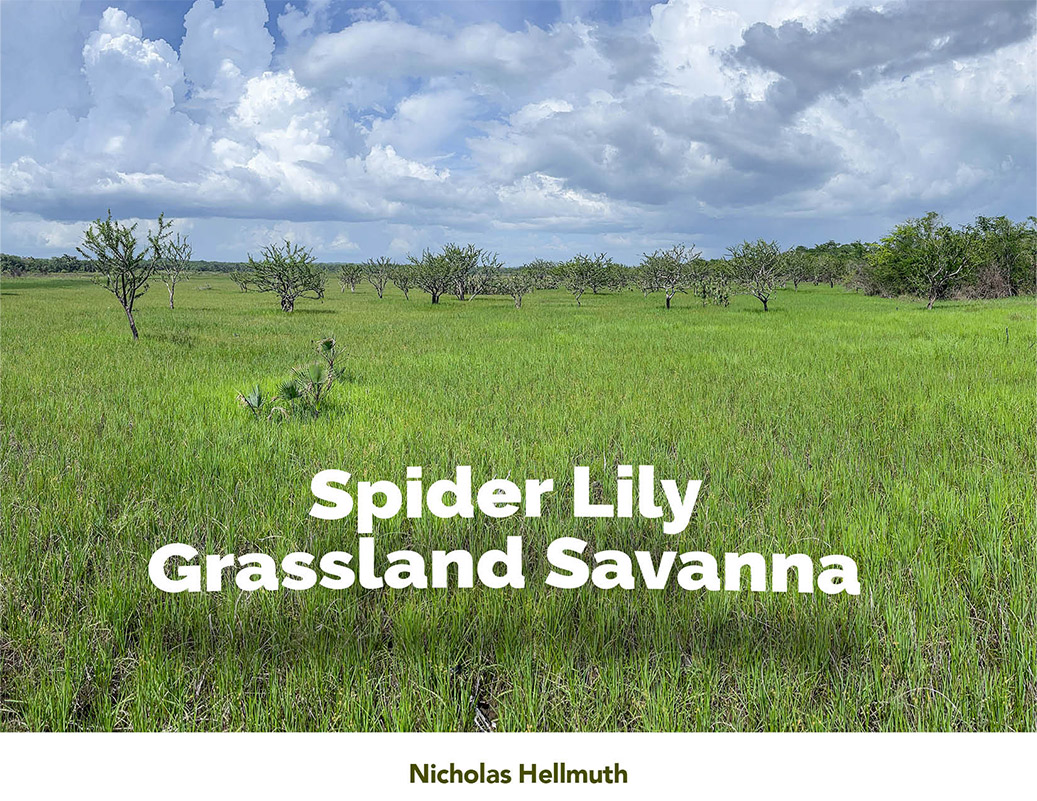
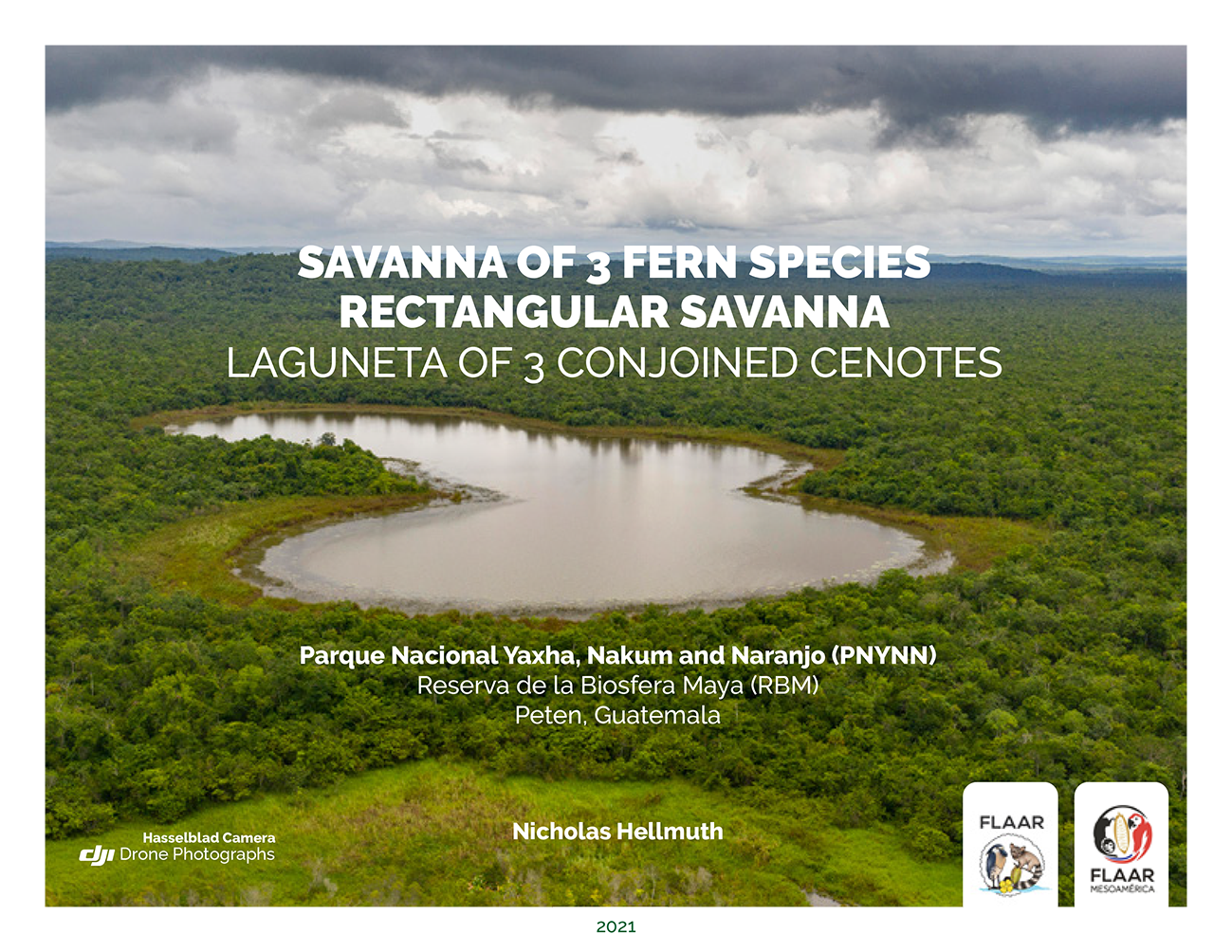
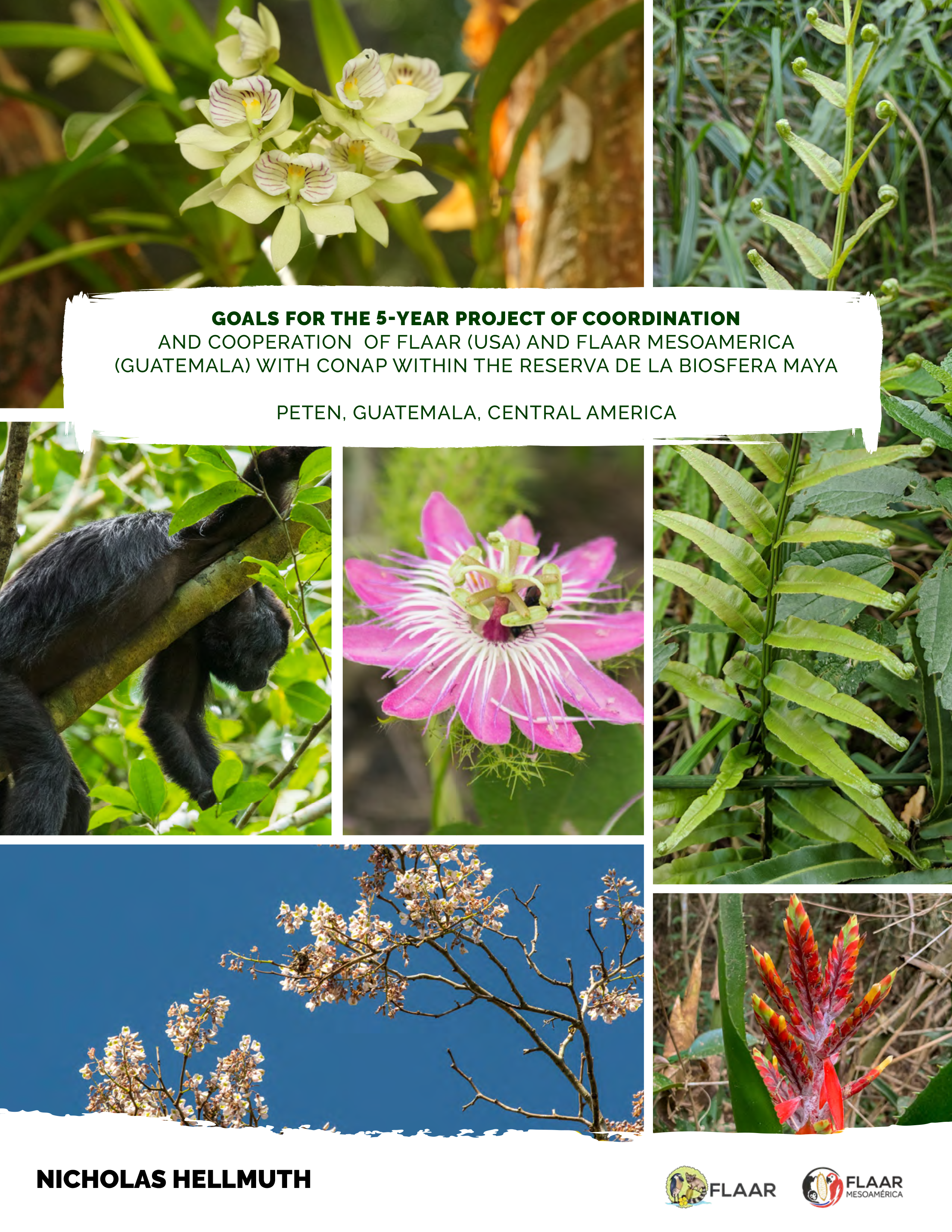
Our five year project in RBM is inspired to dedicate our experience with digital photography, with biodiverse ecosystems, and with documentation of flora and fauna. Our reports are intended to assist scientists plus students plus the interested public to have more information about the remarkable national parks and nature reserves of the RBM area of Peten, Guatemala, Central America.
The 200 page report at the left is mostly full page photographs to show the remarkable Neotropical flowers, trees, howler monkeys and bio-diverse ecosystems of Parque Nacional Yaxha, Nakum and Naranjo (which is part of the RBM). This first edition lists the equipment needed for the coming four years (2022-2025).
Here is the emotional video as we find an open grassland savanna in the middle of the high lowland bajo forest area of PNLT of RBM.
The video is bi-lingual, English and Spanish.
FLAAR is non-profit research and publishing institute in USA. Donations by check payable to FLAAR or stock is tax deductible to the extent allowed by law.
FLAAR Mesoamerica is a non-profit research and publishing institute in Guatemala. Donations from Latin America can come straight to our project in Guatemala.
Neither the director (Dr Hellmuth) nor the Board of Directors of FLAAR receive any salary or any payment from donations; all donations go to project field work costs and preparation of the reports with high-resolution photographs.
FrontDesk symbol FLAAR.org is how to reach us. We estimate you can delete the word symbol, add the actual symbol, and use this as an email.
Posted October 06, 2021
As our new 5-year project with CONAP started earlier this year, since this is a project of cooperation and coordination, we share our goals: when they ask that we do field work in a particular area we do this. When we find an interesting ecosystem that has not been studied or published, we register that area as where we would like to accomplish research.
Biotopo Cerro Cahui is part of a group of nearby nature reserves and national parks that are working together to protect the local flora and fauna. Having a corridor so that monkeys of Tikal and Yaxha can move south to interact with monkeys along the north side of Lake Peten Itza is one aspect. Same for jaguars: you don’t want the jaguars to be limited to interbreeding in one small area. This corridor also includes the work of Sebastian de la Hoz Moretti and Juan Carlo de la Hoz Moretti and their helpful conservation project Green Balam Forests.
So far, we have visited five of the areas of this group of nature reserves and parks. We are working on paperwork to register for the Tikal area.
Biotopo Cerro Cahui is easy to get to (see map in the report, page 4). The view from the top is worth the climb.
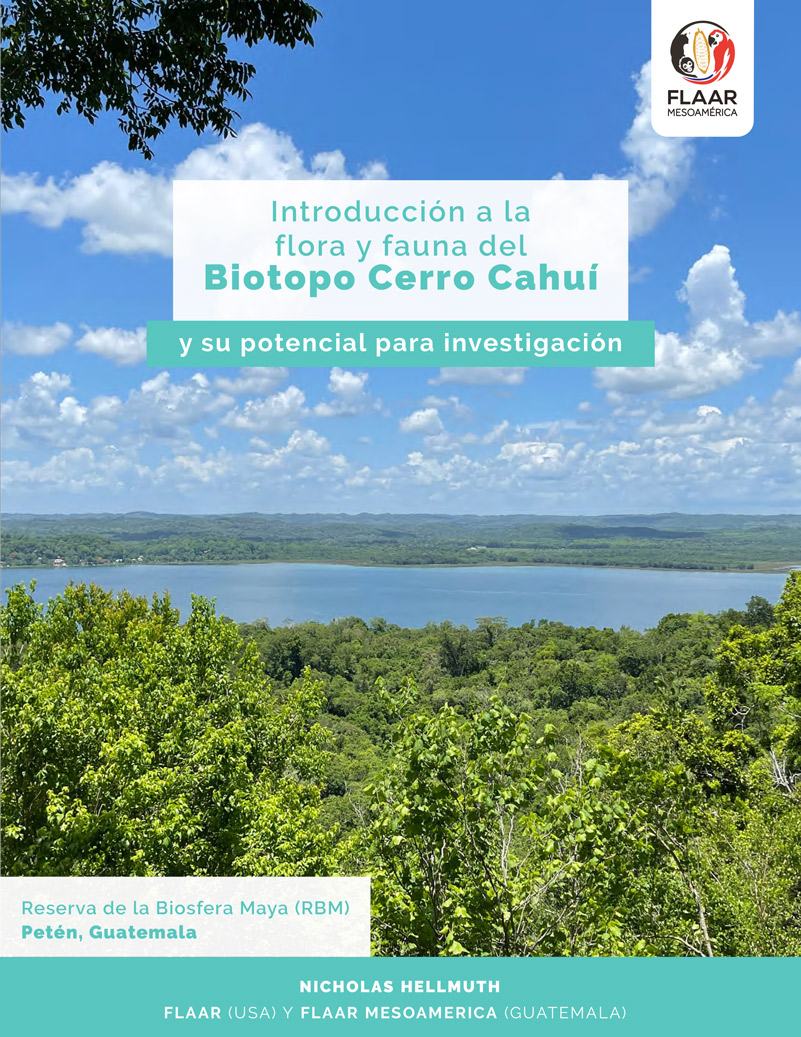
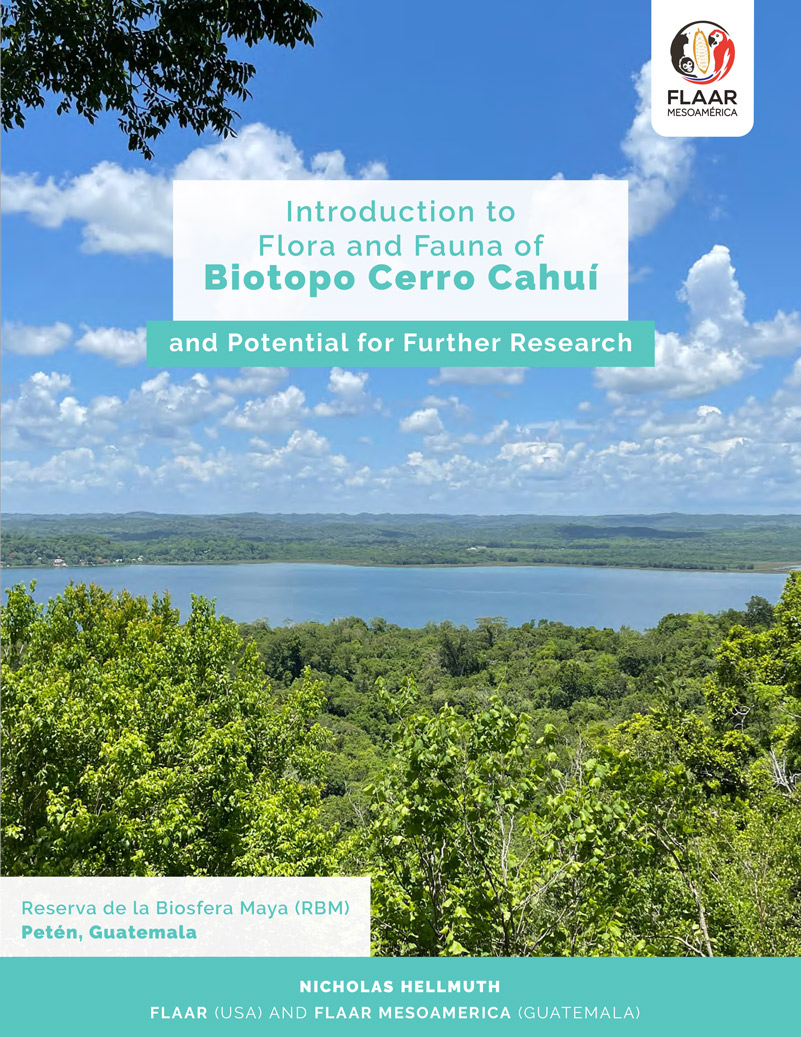
We try to have all our reports in both Spanish and in English.